

Recently, the Kiwifruit Resources and Breeding Innovation Team at the Zhengzhou Fruit Research Institute, CAAS, successfully assembled the chromosome level haplotype resolved genome of ‘Zhongmikangzhen No. 2’ – China’s first kiwifruit rootstock cultivar awarded Plant Variety Right (PVR) certification and distinguished by its tolerance to waterlogging stress. The study, titled “High contiguity haplotyperesolved genome assembly of the hexaploid Actinidia valvata rootstock sheds light on waterlogging resistance gene”, has been published in the Plant Biotechnology Journal (5-year IF: 12.1) . This genome represents the first high-quality, and officially published rootstock genome in the genus Actinidia, filling a gap in polyploid kiwifruit rootstock genomic research and providing a genetic foundation for rootstock breeding and polyploid evolution studies in China’s kiwifruit industry.
‘Zhongmi Kangzhen No. 2’ is a hexaploid cultivar of A. valvata. It exhibits strong waterlogging tolerance and excellent grafting compatibility with most commercially cultivated kiwifruit scion cultivars, positioning it as a highly viable and industrially scalable rootstock candidate. However, owing to the exceptionally high heterozygosity and inherent challenges in haplotype phasing associated with hexaploid genomes, a complete and phased reference genome for this cultivar remained unavailable until recently. By integrating Illumina short-read, PacBio Revio long-read, and Hi-C chromatin conformation capture technologies, the research team overcame the technical hurdles of polyploid assembly and accurately resolved the six complete haplotype chromosome sets of this cultivar.
The assembly included 174 chromosomes (2n = 6x = 174), with each haplotype genome sizes ranging from 501 Mb to 607 Mb, and clearly phased into two sub-genomes, A and B. The BUSCO completeness for each haplotype ranged from 91.7 % to 98.7 %, with the highest Contig N50 reaching 21.02 Mb. Notably, three haplotypes achieved 100 % telomere coverage, and the consensus quality values (QV) of the haplotype assemblies ranged from 64 to 65. In total, over 210,000 protein-coding genes were annotated across the whole genome.
The team further elucidated the dual-ancestry evolutionary origin of ‘Zhongmikangzhen No. 2’ as AABBBB: the A sub-genome derived from A. polygama, while the B sub-genome originated from A. macrosperma. This allowed them to clarify the patterns of evolutionary divergence and structural variation among the different sub-genomes. Using this genomic resource, the researchers found a waterlogging-responsive ERF gene located in the B sub-genome, which was significantly up-regulated under waterlogging stress. Through subcellular localisation, transcriptional activation assays, and transgenic overexpression experiments in kiwifruit, they confirmed that this gene substantially enhances plant tolerance to waterlogging. The assembly of the hexaploid haplotype-resolved genome of ‘Zhongmikangzhen No. 2’ thus provides precise targets and a genetic foundation for molecular breeding and gene-editing approaches in stress-tolerant kiwifruit rootstocks, empowering the sustainable and high-quality development of China’s kiwifruit industry.
Dr. Lin Miaomiao, Associate Researcher at the Zhengzhou Fruit Research Institute, CAAS, is the first author of the paper, and Professor Qi Xiujuan is the corresponding author. Cecilia Deng from the Bioeconomy Science Limited, BSI and Dr. Li Zhi (a recent PhD graduate) also contributed to this work. The research was funded by China Agriculture Research System of MOF and MARA (CARS-26), the National Key Research and Development Program of China (2022Y1600701) and the Special Funds for Science and Technology Innovation Project of the Chinese Academy of Agricultural Sciences (CAAS-ASTIP-2024-ZFRI).
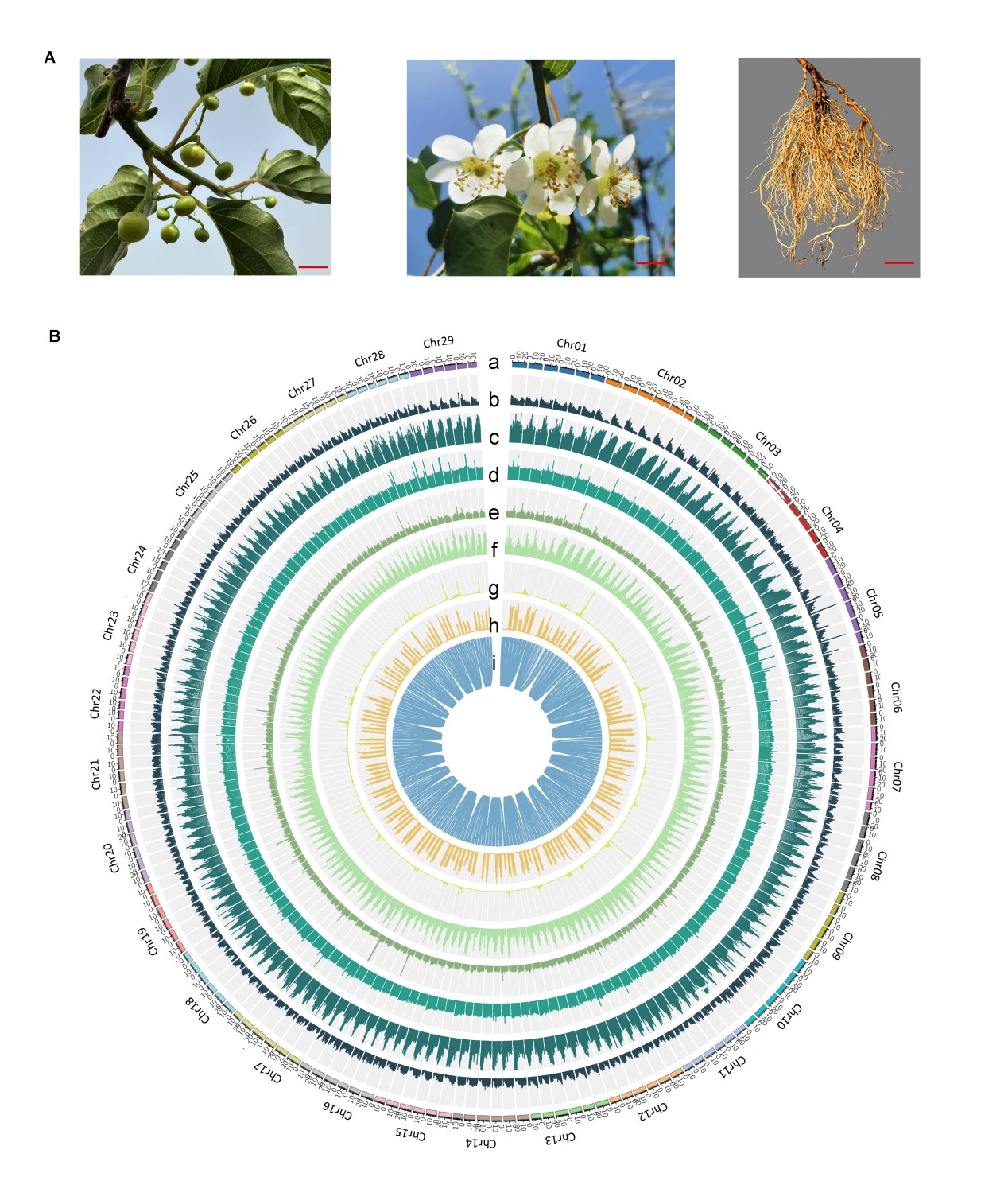
Figure 1. Haplotype-Resolved Genome Assembly of the Hexaploid Actinidia valvata Rootstock ‘Zhongmikangzhen No. 2’
By Lin Miaomiao
linmiaomiao@caas.cn